

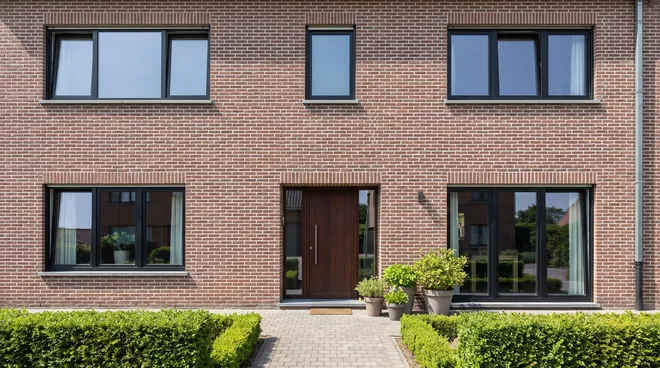
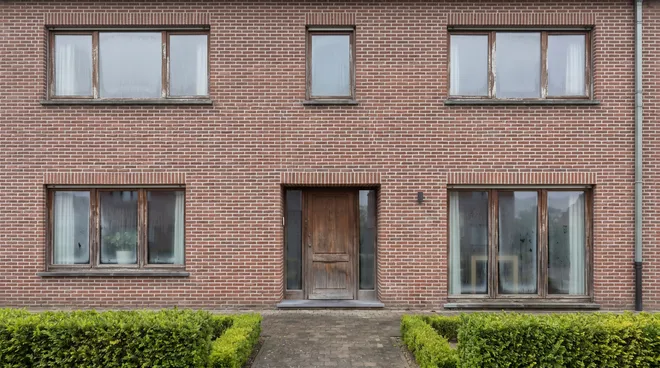
« Nous avons fait appel à la société Wendows pour le renouvellement de nos châssis et nous sommes vraiment ravis du résultat ! Les travaux ont été réalisés dans les délais annoncés et la finition est impeccable. De plus, M. Aprile qui s'est occupé du devis, s'est toujours montré disponible pour répondre à toutes nos questions. Nous vous recommandons donc de faire appel à eux pour vos travaux ! »
The window: choosing the right opening type, room by room
Before the material, it’s the opening mode that makes a window a success. Tilt-and-turn, side-hung casement, fixed pane, top-hung or sliding: each type has its room and its use. This guide helps you compose each opening, then choose the material that suits it best.
- 5 modes
- of opening to choose from
- Bespoke
- every format to the mm
- 3 materials
- PVC, alu, wood
The opening types, and what they change
A window is defined first by the way it opens. Here are the five main modes, their strengths and the room where each one stands out. Concrete benchmarks, no jargon.
- Tilt-and-turn The all-rounder
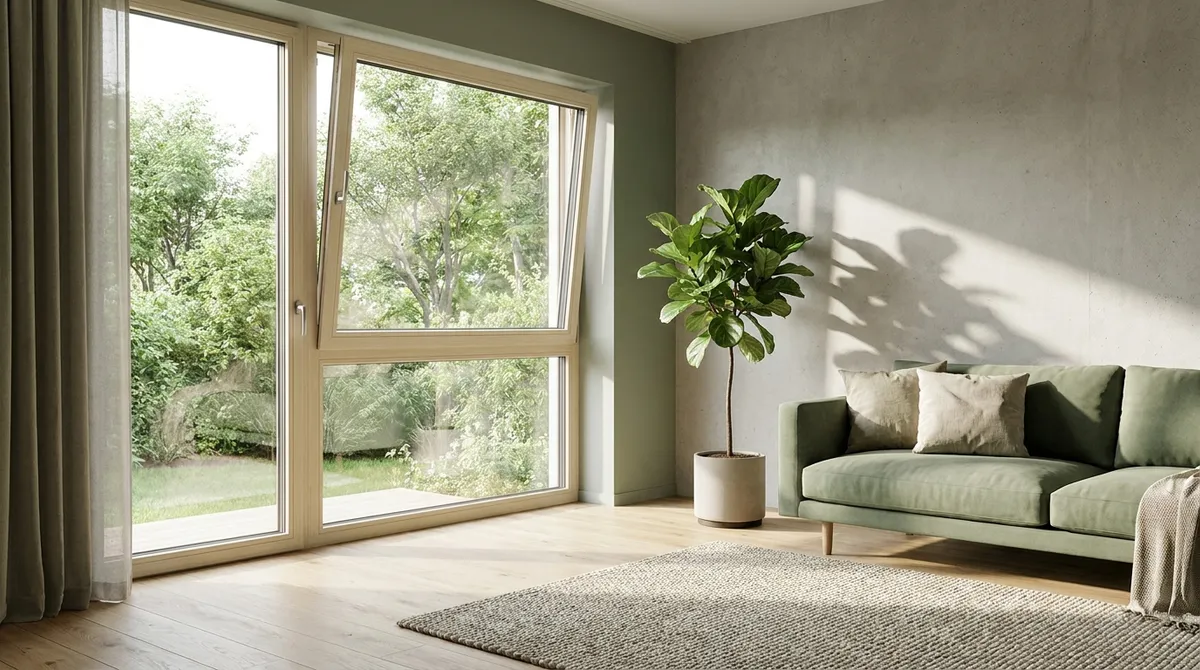
Two openings in one: turn mode to air out wide and clean, tilt mode (open at the top) to ventilate without a draught or intrusion risk. The Belgian standard, ideal everywhere — living room, bedrooms, kitchen.
- Side-hung casement Classic
The window pivots on the side and opens inwards, with one or two sashes. Maximum airing and easy cleaning. Perfect where opening inwards doesn’t obstruct passage.
- Fixed pane Light
No opening sash: the glazing sits directly in the frame. Slimmer profiles, maximum glass area and better insulation. Ideal for bringing in light where opening isn’t needed.
- Top-hung / hopper Small spaces
The window tips at the top by a few centimetres. Discreet, secure ventilation, perfect for cellars, basements, WCs and bathrooms, or as a fanlight above a door.
- Sliding Large bays
The sash glides sideways without encroaching on the room. Ideal for large glazed surfaces and terrace access, where a standard casement would lack space.
- Glazing Ug from 0.5
Glazing accounts for ~70% of performance, whatever the type of opening. Double glazing as standard, triple glazing on cold exposures: it sets the comfort and the heating bill.
* Indicative benchmarks valid across all materials. The right type of opening depends on the room, the direction of passage and the exposure — we settle it together at the site survey.
Choosing the right window format
No type of opening is perfect for every room. Here, honestly, is what guides a good choice — and the pitfalls to avoid before locking in a format.
What makes a good window
- The opening suited to the roomTilt-and-turn everywhere, top-hung in wet rooms, fixed for light: each mode in its place.
- Maximum glass areaWell sized, a window brings light and free solar gains in winter.
- Thermal and acoustic comfortThe right glazing cuts out the cold, the summer heat and the street noise.
- Security and ventilationTilt position to air out safely, anti-break-in hardware as an option.
What to anticipate
- The opening direction mattersA poorly oriented side-hung casement obstructs passage or a piece of furniture: to validate before fitting.
- Large glazing = possible overheatingFacing south, a large window can overheat in summer without solar protection or solar control.
- Fitting makes the performanceAn excellent window poorly sealed loses its qualities: the perimeter joint sealing is key.
- Ventilation to plan forVery airtight windows require controlled ventilation (vents or MVHR) to avoid condensation.
Which type of window, in which room?
The right opening mode is chosen room by room, according to use, available space and exposure. A few typical cases in the home:
-
Living room & bedrooms
The tilt-and-turn reigns: air out wide whenever you want, tilt position at night to ventilate safely. The default choice for living spaces.
-
Kitchen, bathroom, WC, cellar
The top-hung (hopper) ventilates humidity without a draught or intrusion risk, even when small. Ideal for wet rooms and high or narrow openings.
-
Bringing in light
Fixed panes in a stairwell, a fanlight above a door, a landing window: where opening isn’t useful, the fixed pane maximises light and insulation.
Beyond the window, to open a wall onto the garden, look at the French door (step-free access) or the sliding door for very large glazed surfaces.


Five windows rethought room by room on a 1975 house
The owners were replacing single-glazed windows that condensed in winter. Rather than a like-for-like replacement, we reviewed each opening: tilt-and-turns in the living room and bedrooms, top-hung in the bathroom, a fixed pane in the stairwell. The result: more light, healthy ventilation and a lighter bill.
- 5windows rethought
- Uw 1.1instead of 5.0
- 6%VAT in renovation
They chose wendows
5.0/5 · 5verified reviews
« Nous avons fait appel à Wendows pour le remplacement de nos châssis et nous sommes très satisfait de notre choix. Qualité et suivi de chantier au top ! »
« Ik heb via WEndows een raam aangekocht van 2m x 2m. Mijn algemene ervaring is goed. Zeer goeie communicatie, altijs zeer snelle reactie bij een vraag of opmerking. Het installatie team werkte ook zeer efficient. Tevreden van het eindresultaat! Bedankt WEndows »
Window, French door or sliding door?
A window lights and ventilates; as soon as you want to pass through or open a whole wall, you move to other formats. Compare the three point by point, then open the one that matches your project.
| Critère | WindowVous êtes ici | French doorVoir la gamme → | Sliding doorVoir la gamme → |
|---|---|---|---|
| Indicative price | The most affordable | €€ — mid-range | €€€€ — the highest |
| Glazed surface | Small to medium | Medium to large | Very large |
| Passage / access | No (sill below the cill) | Yes, step-free | Yes, wide bay |
| Fine ventilation | Yes (top-hung) | Yes (tilt) | Limited |
| Floor space | No constraint | Swing to allow for | None (slides) |
| Light intake | Good | Very good | Maximum |
| Ideal for | Every room | Garden / balcony access | Opening up the living room |
- by material
PVC window
The best insulation/price ratio for everyday-sized windows. The most widespread choice in renovation.
See the PVC window → - by material
Aluminium window
Slim profiles and large sashes for maximum glass area. The contemporary look par excellence.
See the alu window → - by material
Wooden window
The warmth and natural insulation of wood, for character and older or listed buildings.
See the wooden window → - other format
French door
To step out step-free onto a terrace or balcony, where the window stops below the cill.
Discover the French door → - to combine
Double & triple glazing
Glazing accounts for ~70% of performance, whatever the type of opening. Understand the Ug values.
Choose your glazing → - ↑ category
The whole window range
An overview of our windows & joinery in Belgium: materials, glazing, opening types, fitting and grants.
Back to the window guide →
How much does a fitted window cost?
The price of a window depends on the opening type, the dimensions, the glazing, the material and the fitting. Here are some benchmarks for a window fitted in Belgium, before grants.
Compare prices by material →* Indicative ranges per fitted window, excluding specific configurations. Costed estimate provided with your free quote.
- Tilt-and-turn window from €450PVC, double glazing, fitted
- Glazed fixed pane from €350no opening sash, double glazing
- Renovation grant up to 35%of the amount, depending on income
- Reduced VAT 6%for renovation (home > 10 years)
Your questions about windows
What is a tilt-and-turn window? +
It’s a window that offers two openings with a single handle: turn mode (wide side opening) to air out and clean, and tilt mode (opening at the top) to ventilate without a draught or intrusion risk. It’s the most widespread type of opening in Belgium because it suits almost every room.
Which opening type to choose for each room? +
The tilt-and-turn is ideal in the living room and bedrooms. The top-hung (hopper) suits wet rooms (kitchen, bathroom, WC) and cellars, as it ventilates safely. The fixed pane maximises light where you don’t need to open (stairwell, fanlight). You always choose according to use, space and exposure.
What’s the difference between a window and a French door? +
A window is fitted at height, with a sill (a wall) below the cill: it lights and ventilates but you don’t pass through. A French door goes down to the floor and lets you step out step-free onto a terrace or balcony. Beyond that, the sliding door opens a very large glazed surface with no swing.
Do you really need triple glazing? +
Not always. High-performance double glazing is enough for most windows in renovation. Triple glazing is justified mainly on north exposures, very cold-exposed facades or in a low-energy approach. It improves comfort but costs more and weighs down the sash: we settle it exposure by exposure.
Which material should I choose for my windows? +
The opening type is decided first; the material next. PVC offers the best insulation/price ratio on everyday formats, aluminium slim profiles for large openings and a contemporary style, wood warmth and character (ideal in older buildings). We offer all three and guide you according to the project and the budget.
What grants are available for replacing windows? +
Grants depend on the performance achieved (Uw coefficient) and not on the type of opening. High-performance windows qualify, depending on your region and income, for a renovation grant and the reduced 6% VAT for homes over ten years old. We put together the grants file for you.
Get your free window quote within 48h
Free home survey, opening type advised room by room, grants calculated. Describe your project in under a minute.
- Free and with no obligation
- Advice on the opening type per room
- Grants & 6% VAT handled for you