

Aller au contenu
The energy one stop shop — active across Belgium
Windows & joinery · Glazing

Double glazing: 70% of your windows’ performance is decided here

The glazing is the largest surface of your window — and the most exposed to losses. High-efficiency double glazing (HR++) divides losses by four versus single glazing, improves acoustic comfort and reduces condensation. The first investment to consider, even before choosing the frame.

Ug 1.0–1.1
standard HR++ double
÷4
vs single glazing
20–25 years
service life
Double glazing: 70% of your windows’ performance is decided here
Ug from 1.0W/m²K
up to 40 dBsound reduction
Technical specifications

What double glazing is really worth

The numbers that matter for quality glazing, fitted by our teams. Concrete benchmarks to understand the Ug values, the gas and the spacer.

  • Thermal insulation (Ug)
    1.0–1.1 W/m²K

    The Ug coefficient measures losses through the glazing alone. An HR++ double drops to 1.0 W/m²K thanks to the low-emissivity coating and the argon fill — four times better than single glazing.

  • Insulating gas
    Argon

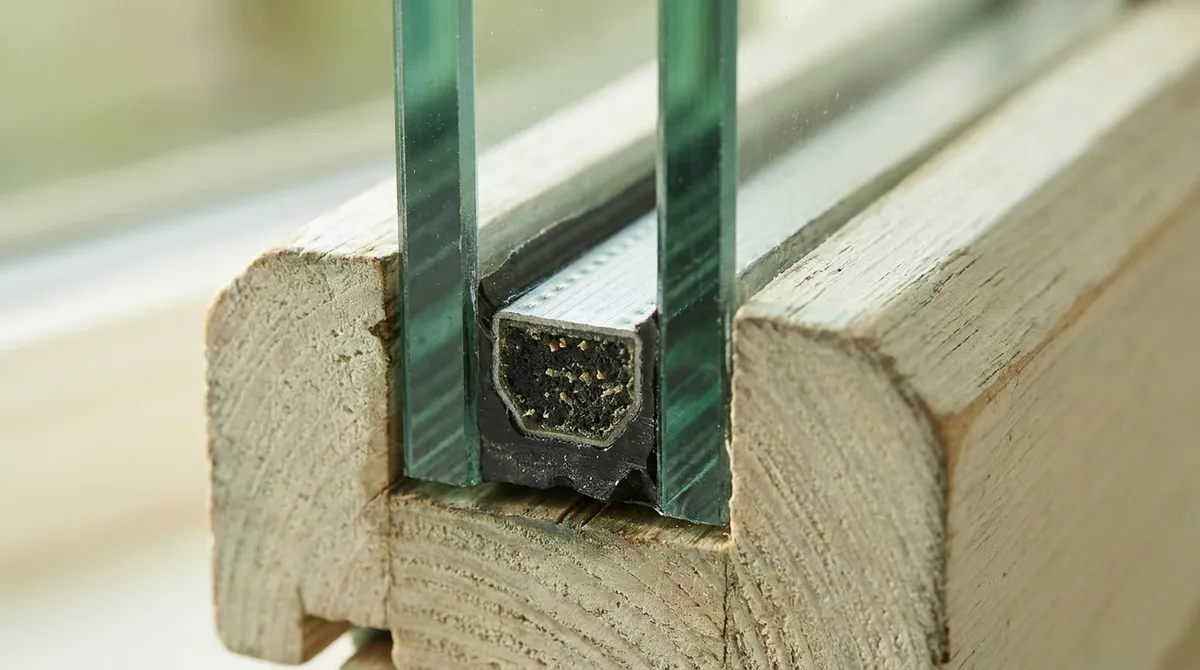
    The gap between the two panes is filled with argon (or krypton on premium units), an inert gas less conductive than air. It accounts for most of the thermal gain over an old double glazing.

  • Low-emissivity coating
    Low-E

    An invisible metallic deposit on the inner face of the glazing reflects heat back inside in winter and limits overheating in summer. Without this coating, double glazing loses half its efficiency.

  • Acoustic insulation
    up to 40 dB

    Asymmetric double glazing (panes of different thicknesses) reaches a sound reduction of 35 to 40 dB — enough to markedly cut the noise of a busy street or a railway line.

  • Warm-edge spacer
    Warm edge

    The composite warm-edge spacer replaces aluminium between the panes. The result: less edge condensation, better comfort and an improved overall Uw value.

  • Service life
    20–25 years

    Properly fitted double glazing keeps its seal and argon fill for 20 to 25 years. After that, the gas escapes and performance declines — a sign it is time to renovate.

* Indicative values for standard-range HR++ double glazing. Exact performance depends on the thickness, gas and spacer — confirmed at the survey.

In full transparency

Double glazing: strengths & limits

HR++ double glazing is the standard in Belgium, but it is not always the only option. Here is when it excels and when triple glazing takes over.

Where it shines

  • The best performance-to-price ratioConsiderable thermal gain for a modest extra cost over old glazing.
  • Immediate acoustic comfortIn its asymmetric version, it markedly reduces noise — even roadside.
  • Compatible with every framePVC, aluminium, wood, wood-aluminium: double glazing fits all common profiles.
  • Solar gain preservedIt lets in more light and solar heat than triple glazing.

What to keep in mind

  • Less efficient than tripleOn a north façade, a very cold zone or a low-energy goal, triple glazing goes further.
  • Limited gas lifespanArgon escapes slowly over 20–25 years; performance declines towards end of life.
  • Possible edge condensationWithout a quality warm-edge spacer, condensation appears around the perimeter.
  • No inherent securityStandard double glazing does not resist burglary — laminated is an option.
For which project

Is double glazing right for you?

In the majority of Belgian renovations, HR++ double glazing is the rational choice. A few cases where it stands out:

  • Replacing single or old double glazing

    Replacing single or old double glazing

    Moving from single glazing or 1990s double glazing to a modern HR++: the thermal gain is immediate and the budget stays under control.

  • Renovating a family home

    Renovating a family home

    When many openings have to be changed, HR++ double glazing offers the best insulation-to-price ratio across the whole house.

  • South and west façades, solar gain wanted

    South and west façades, solar gain wanted

    Double glazing lets through more solar heat than triple: an advantage on sunny façades where you want to enjoy the free gain.

And triple glazing?

On a north façade, in a low-energy build or if the budget allows, triple glazing drops to Ug ~0.5 W/m²K. We compare both options at the survey and tell you straight which is worth the extra cost for each opening. Combine with the right PVC window or aluminium for a coherent whole.

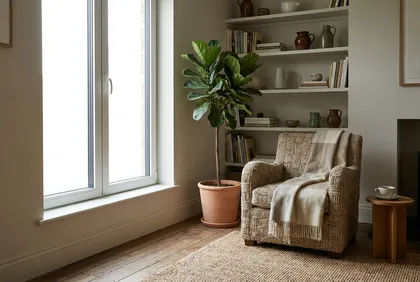
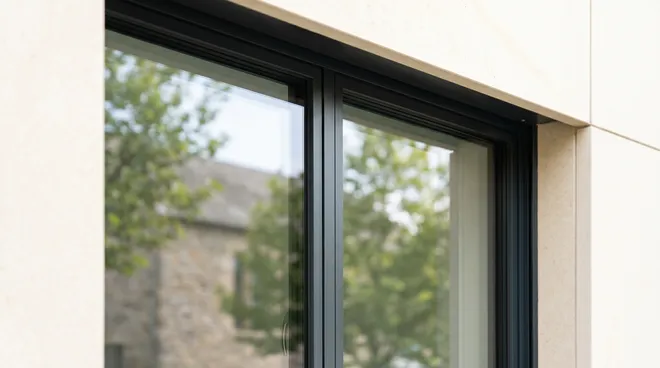
AFTER photo — fitted HR++ double glazing
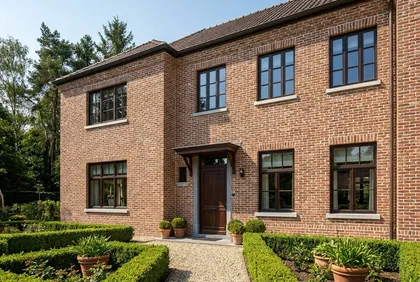
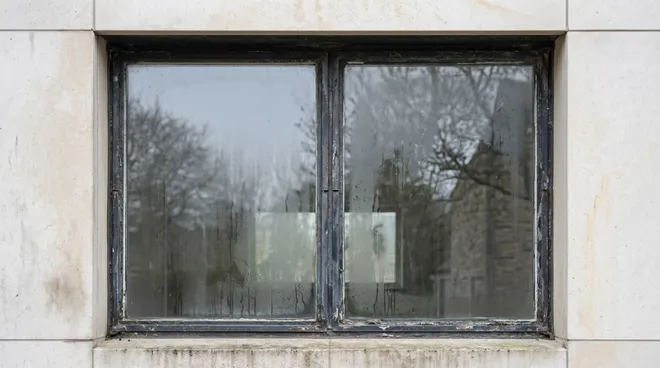
BEFORE photo — old, misted single glazing
Avant Après
Glissez la poignée pour comparer
Case study · 1970s house, Mons

From single glazing to HR++: comfort and bill transformed

A 1970s house still on single glazing, cold in winter with condensation on every window. We fitted HR++ argon double glazing with a warm-edge spacer on 12 openings, in the new PVC windows. The result: no more draughts, no more condensation, and a lighter heating bill.

  • ÷4losses through the glazing
  • 0edge condensation
  • −32%on the heating bill
Customer reviews

They chose wendows

5.0/5 · 5verified reviews

« Nous avons fait appel à la société Wendows pour le renouvellement de nos châssis et nous sommes vraiment ravis du résultat ! Les travaux ont été réalisés dans les délais annoncés et la finition est impeccable. De plus, M. Aprile qui s'est occupé du devis, s'est toujours montré disponible pour répondre à toutes nos questions. Nous vous recommandons donc de faire appel à eux pour vos travaux ! »
Annick Hauteceur
« Nous avons fait appel à Wendows pour le remplacement de nos châssis et nous sommes très satisfait de notre choix. Qualité et suivi de chantier au top ! »
David Sautois
« Ik heb via WEndows een raam aangekocht van 2m x 2m. Mijn algemene ervaring is goed. Zeer goeie communicatie, altijs zeer snelle reactie bij een vraag of opmerking. Het installatie team werkte ook zeer efficient. Tevreden van het eindresultaat! Bedankt WEndows »
Tom Bauwens
Compare the glazing

Double, triple, or acoustic?

The choice of glazing weighs more than the frame on performance. Compare the options to see which one is the right fit for your home.

Critère HR++ doubleVous êtes ici Triple glazingVoir la gamme → Acoustic doubleVoir la gamme →
Thermal insulation (Ug) 1.0–1.1 W/m²K 0.5–0.7 W/m²K 1.0–1.1 W/m²K
Acoustic insulation 32–35 dB 33–36 dB 38–42 dB
Solar gain (g) Good Lower Good
Price The gentlest 15–25% more 10–20% more
Weight Standard Heavier Heavier
Ideal for Renovation, set budget New build, low energy, north Noisy street, airport
Indicative benchmarks for standard-range glazing. The optimal choice can vary by opening — we fine-tune it together at the survey.
Indicative price 2026

How much does double glazing cost?

The price depends on the type of glazing, the size of the opening and the associated frame. Here are benchmarks for double glazing fitted in a new frame.

See the window & glazing price list →

* Indicative ranges for HR++ double glazing fitted in a new frame. Price of the glazing alone (replacement in an existing frame): on quote. A costed estimate is provided with your free quote.

  • Standard HR++ double
    included
    in the price of the new frame
  • Triple glazing surcharge
    + 15–25%
    compared with HR++ double
  • Acoustic surcharge
    + 10–20%
    asymmetric laminated glazing
  • Reduced VAT
    6%
    for renovation (home > 10 years old)
Double glazing FAQ

Your questions about glazing

What is the difference between old double glazing and HR++? +

A 1990s double glazing has a Ug of around 2.8 W/m²K. A modern HR++ drops to 1.0 thanks to the low-emissivity coating and the argon gas — almost three times better. If your windows are more than 20 years old, replacing them divides the losses through the glazing.

Should I choose double or triple glazing? +

HR++ double is enough in most Belgian renovations. Triple glazing makes full sense in a low-energy new build, on a very exposed north façade or if your budget allows. We compare the Ug values and the extra cost for each opening.

What is the Ug value and why does it matter? +

Ug (g for “glass”) measures the amount of heat that passes through the glazing alone, in W/m²K. The lower it is, the better the glazing insulates. As the glazing represents about 70% of a window’s surface, it is the value that weighs most in the overall performance (Uw).

Does double glazing protect against noise? +

Yes, especially in its asymmetric acoustic version (panes of different thicknesses, laminated). Acoustic double glazing reaches 38 to 42 dB of sound reduction, against 32 to 35 for a standard HR++. We recommend the acoustic version along roads and railways.

Can the glazing be replaced without changing the frame? +

Sometimes, if the frame is in good condition and accepts the thickness of modern glazing. In practice, old frames often have profiles that are too narrow or worn seals: replacing the whole unit is more reliable and qualifies for grants.

What grants apply to new glazing? +

Grants are based on the performance of the whole unit (window + glazing, Uw coefficient). A new frame with HR++ double qualifies for renovation grants (up to 35% depending on income) and 6% VAT for homes over ten years old. We handle the paperwork for you.

Get your free glazing quote within 48h

Free on-site survey, double/triple comparison per opening, grants calculated. Describe your project in under a minute.

  • Free and with no obligation
  • Grants & 6% VAT handled for you
  • Fitted by our certified installers